


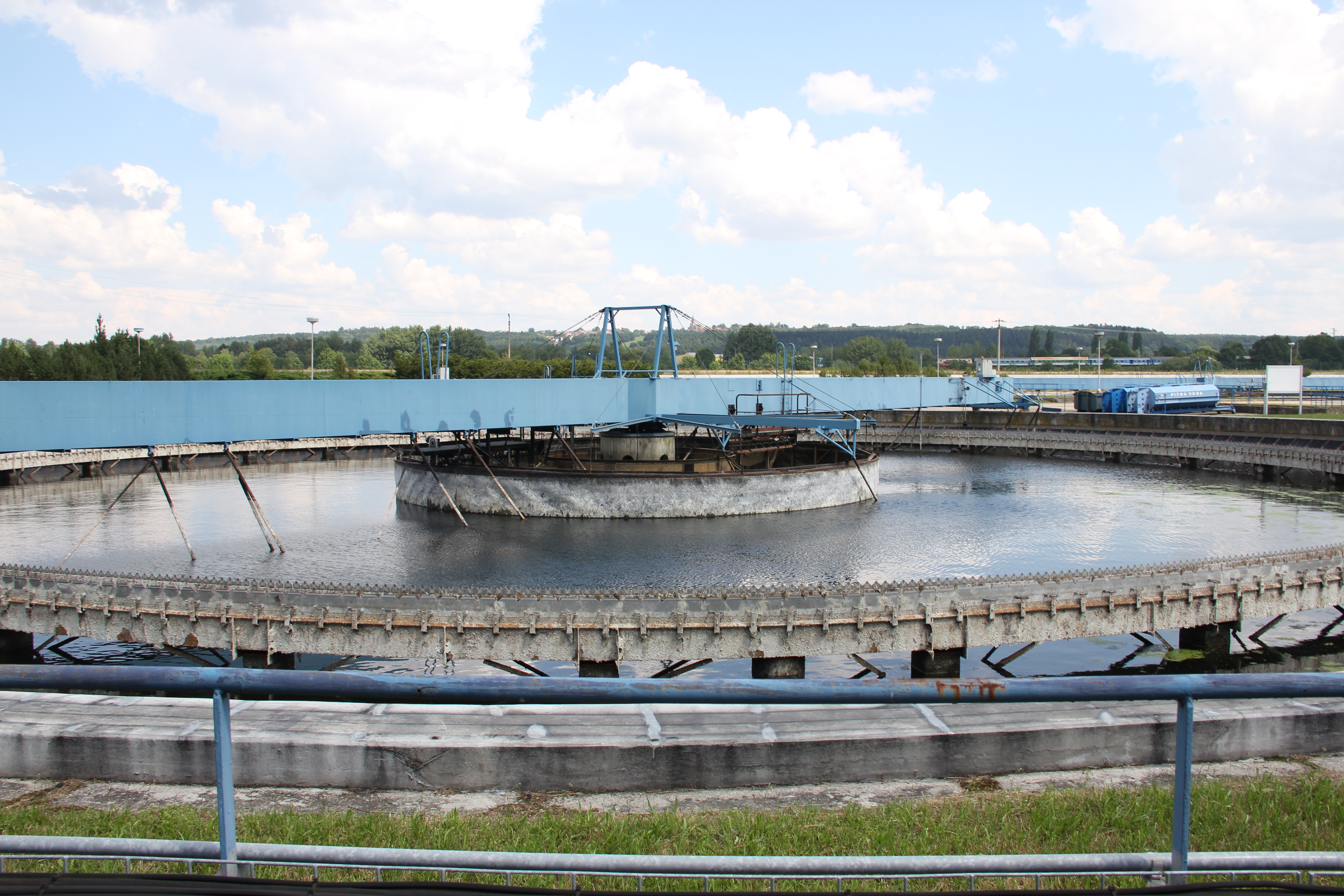
Mechanical-biological treatment plants are practically exclusively used for the purpose of cleaning wastewater from households. These can be divided according to the intensity of the cleaning processes into extensive and intensive.
Intensive, as the name suggests, work faster, usually more efficiently and require less space. On the other hand, they usually consume energy. They are mainly activation treatment plants. These are characterized by the fact that the microorganisms necessary for water purification occur in the form of small flakes that are dispersed throughout the entire space of the activation tank, into which the air that the microorganisms need for their life and activity is blown. This principle is probably the most widespread today and they also provide the highest quality of drainage.
Another intensive way are various biofilm reactors. They can take the form of a filter or rotating biodiscs, but the principle is always similar. Microorganisms that clean wastewater are, unlike the previous method, seated on a carrier. Water is present on the carrier either only in a thin film, or the carrier is periodically soaked and exposed to air, and the necessary oxygen is supplied directly from the air. Instead of a blower, however, some driving element is necessary here, either a pump that sprinkles the biofilm, or a motor that drives the biodisk.
These are two methods of wastewater treatment that can be characterized as aerobic, that is, microorganisms use oxygen to degrade pollution. Aerobic processes are particularly effective in removing organic substances, but also ammonia. In particular, the aforementioned biofilm reactors are often combined with anaerobic processes
Extensive cleaning methods are quite popular, despite obvious disadvantages such as a large amount of land, large volumes of tanks and, above all, low efficiency. These are mainly root treatment plants, earth filters and biological tanks.